
Emergency Dental Care in Oshawa: What to Do When a Dental Emergency Happens


Dental problems rarely arrive at a convenient time. A sudden toothache, a broken filling, swelling, or an injury can be painful and unsettling, especially when you are unsure whether the problem can wait. The safest first step is to stay calm, protect the area, and contact a dental office for guidance. At King Park Dental in Oshawa, we can help you understand how urgently you should be seen and what you can do while arranging care.
What Counts as a Dental Emergency?
A dental emergency is generally any oral-health problem that involves significant pain, uncontrolled bleeding, rapid swelling, infection, or a risk of losing or permanently damaging a tooth. Common examples include severe or worsening tooth pain, a knocked-out or loosened permanent tooth, a deeply cracked tooth, facial swelling, an abscess, bleeding that does not settle, and dental trauma after a fall or collision. A lost crown or filling may also need prompt attention if the tooth is painful, sharp, or vulnerable to further damage.
Some symptoms require medical rather than dental emergency care. Call 911 or go to the nearest emergency department if facial trauma affects breathing, if swelling makes it difficult to breathe or swallow, if there is heavy uncontrolled bleeding, or if you may have a broken jaw or another serious head injury. Once immediate medical risks are managed, a dentist can assess the teeth and surrounding tissues.
What to Do Right Away
For a severe toothache, rinse gently with lukewarm water and clean between the teeth in case food is trapped. Avoid placing aspirin or other medication directly on the tooth or gums because it can irritate the tissue. If you normally take over-the-counter pain medication safely, follow the label directions while waiting for professional advice. Tooth pain can have several causes, including decay, a crack, gum inflammation, or infection, so an examination is needed to identify the source.
If a permanent adult tooth is knocked out, handle it by the crown—the part normally visible in the mouth—not the root. If it is dirty, rinse it briefly and gently without scrubbing. If it slips easily back into place, you may hold it there, but never force it. Otherwise, keep it moist in cold milk or an appropriate tooth-preservation solution and contact a dentist immediately. Do not try to reinsert a baby tooth, because doing so could injure the developing permanent tooth below it.
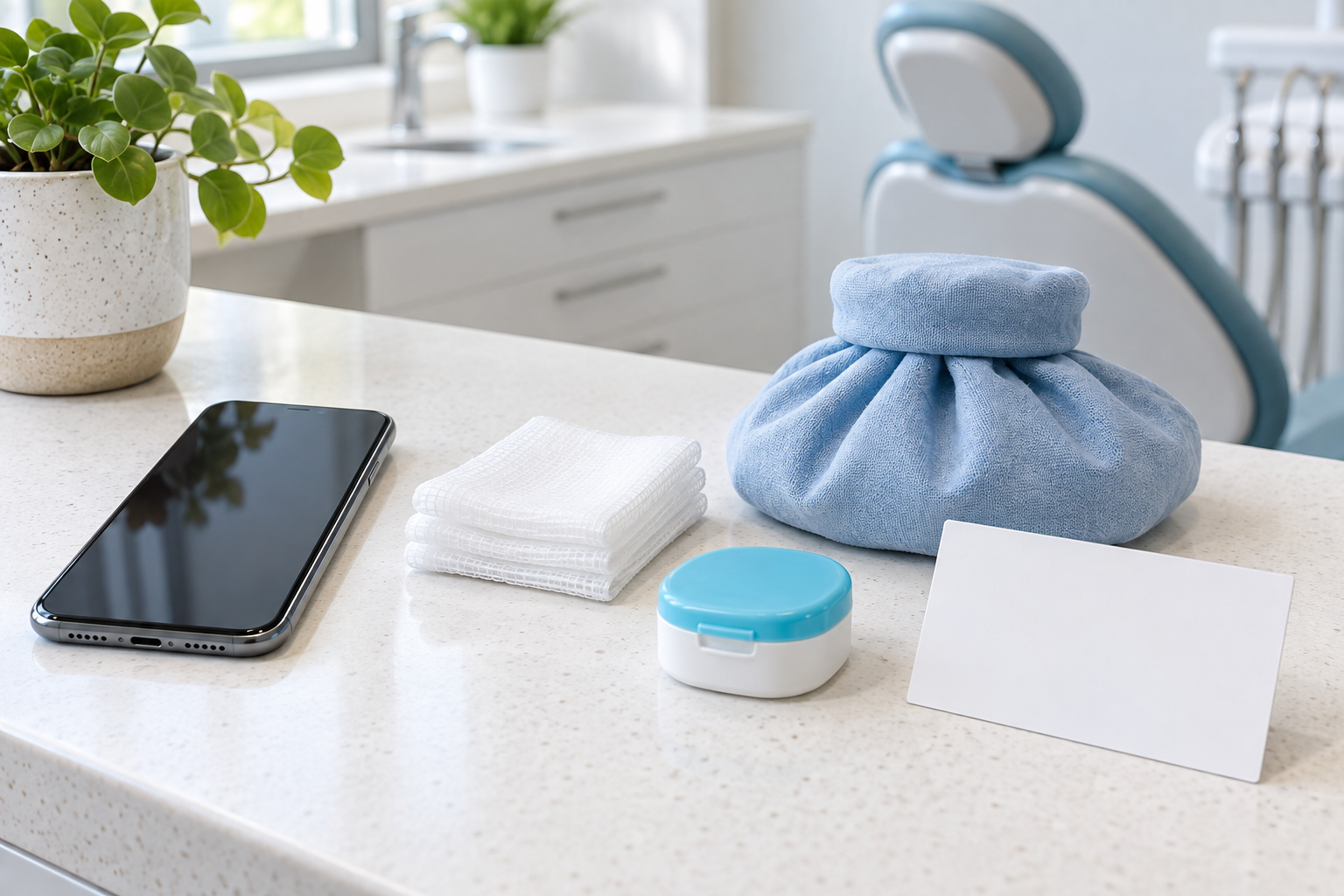
For a chipped or broken tooth, save any pieces you can find, rinse your mouth gently, and use clean gauze with light pressure if there is bleeding. A covered cold pack on the outside of the cheek may help with swelling. If a crown comes off, keep it in a clean container and bring it to the appointment; do not glue it back in place. If an orthodontic wire is irritating the cheek, cover the end with orthodontic wax and contact your dental provider rather than cutting it yourself.
Swelling and Possible Dental Infection
A tender bump on the gum, a bad taste, fever, facial swelling, or pain that throbs and disrupts sleep can be signs of infection. Dental infections do not reliably resolve on their own, even if the discomfort temporarily improves. Call a dental office promptly and describe the location and speed of the swelling, whether you have fever or feel unwell, and whether swallowing or breathing is affected. Rapidly spreading swelling or any breathing difficulty requires emergency medical care.
What to Expect at an Emergency Dental Visit
An emergency appointment focuses first on understanding the problem and making you comfortable. The dentist will ask when the symptoms began, what makes them better or worse, whether there was an injury, and which medications or health conditions may affect treatment. An examination and dental X-ray may be needed to look for decay, infection, cracks, root damage, or changes in the supporting bone.
Treatment depends on the diagnosis. Options may include repairing a damaged tooth, replacing a restoration, treating the inside of an infected tooth, addressing the surrounding gums, prescribing medication when clinically appropriate, or arranging follow-up care. If a specialist is better suited to the problem, the dental team can explain the referral. The immediate goal is to reduce risk and stabilize the situation; a second appointment may sometimes be needed for definitive treatment.
A Small Emergency Kit Can Help
Consider keeping clean gauze, a covered cold pack, orthodontic wax, a small lidded container, and your dentist's contact information with your household first-aid supplies. Athletes should use a properly fitted mouthguard during contact or high-risk sports. Regular dental examinations can also catch weakened fillings, decay, or cracks before they become painful, although not every emergency can be prevented.
How to Make the Most of Your Call
When you contact the dental office, be ready to explain which tooth or area is involved, how long the problem has been present, whether the pain is constant or triggered, and whether there is swelling, fever, bleeding, or an injury. Mention any medications you have already taken and any medical conditions or allergies that could affect care. A clear description helps the team decide how quickly you should be assessed and what precautions may be appropriate before you arrive. If symptoms change while you are waiting—especially if swelling spreads or breathing or swallowing becomes difficult—seek urgent medical help rather than waiting for the dental appointment.
Contact an Emergency Dentist in Oshawa
If you have dental pain, swelling, a broken tooth, or another urgent concern, contact King Park Dental at 292 King St W in Oshawa. Tell us what happened, when it started, and what symptoms you are experiencing so the team can guide you toward the appropriate next step. This article provides general information and is not a substitute for an individual dental or medical assessment.


Comments